

Is Arvada About to Boom? Here’s How Smart Buyers Spot It Early
If you’ve been thinking about buying in the Denver metro area, here’s the truth:
By the time everyone agrees a neighborhood is “hot,” the deals are gone.
The smarter play? Learn to recognize the signs of growth before the headlines catch up.
Right now, Arvada is showing several of those early indicators — and if you’re a buyer who wants long-term upside, it deserves a serious look.
Let’s break down exactly what to watch for — here and anywhere else you’re considering.
1. Follow the Coffee Shops (Yes, Really)

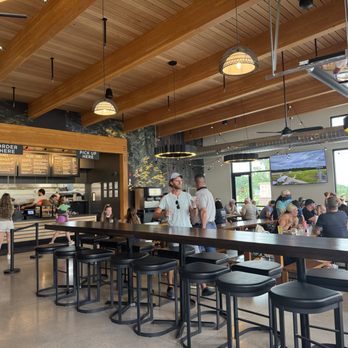

When you start seeing new cafés, breweries, chef-driven restaurants, and boutique fitness studios popping up, that’s not random.
Small business owners do their homework. They study:
Rooftop density
Household income
Traffic patterns
Future development plans
They invest before the general public catches on.
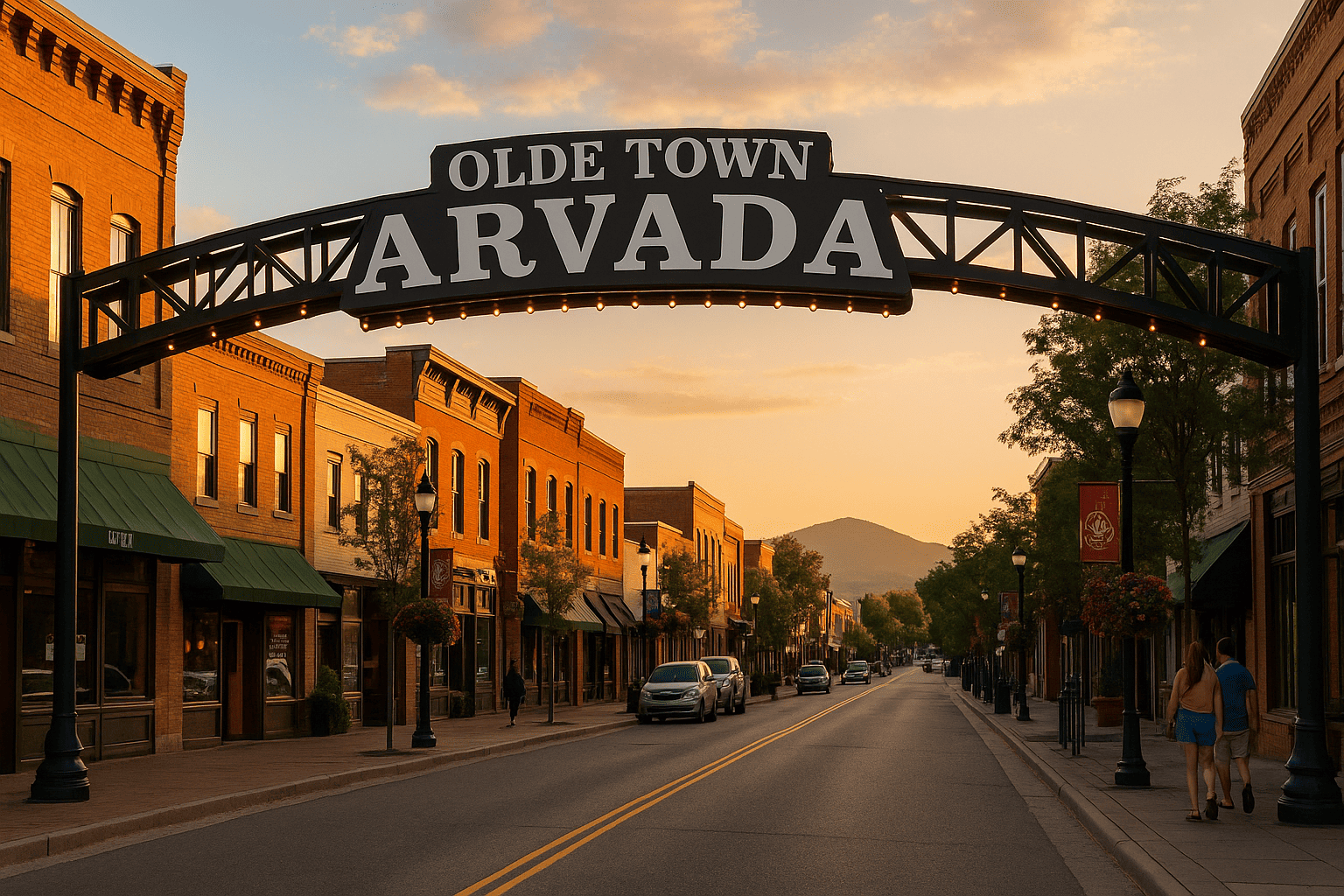
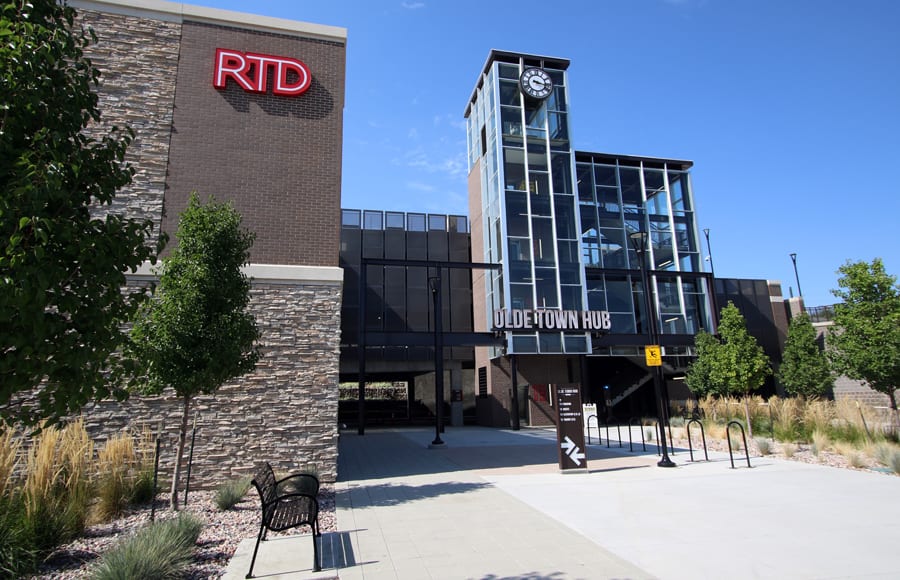
Olde Town Arvada has experienced steady growth in locally owned restaurants, gathering spots, and destination-style businesses. That kind of commercial confidence is often an early signal of residential demand.
I’ve watched this pattern play out in other parts of the metro over the past decade. First come the cafés. Then come the remodels. Then come the price jumps.
2. Watch for Renovations and Pop-Tops
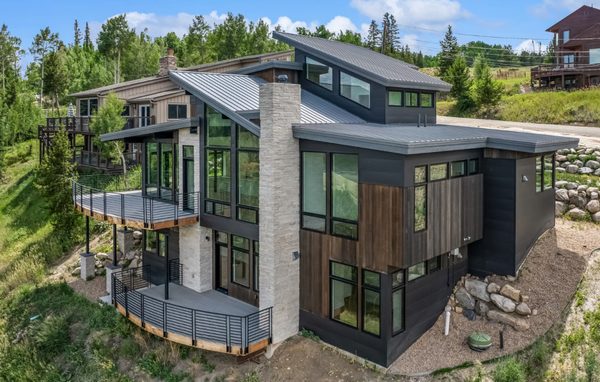
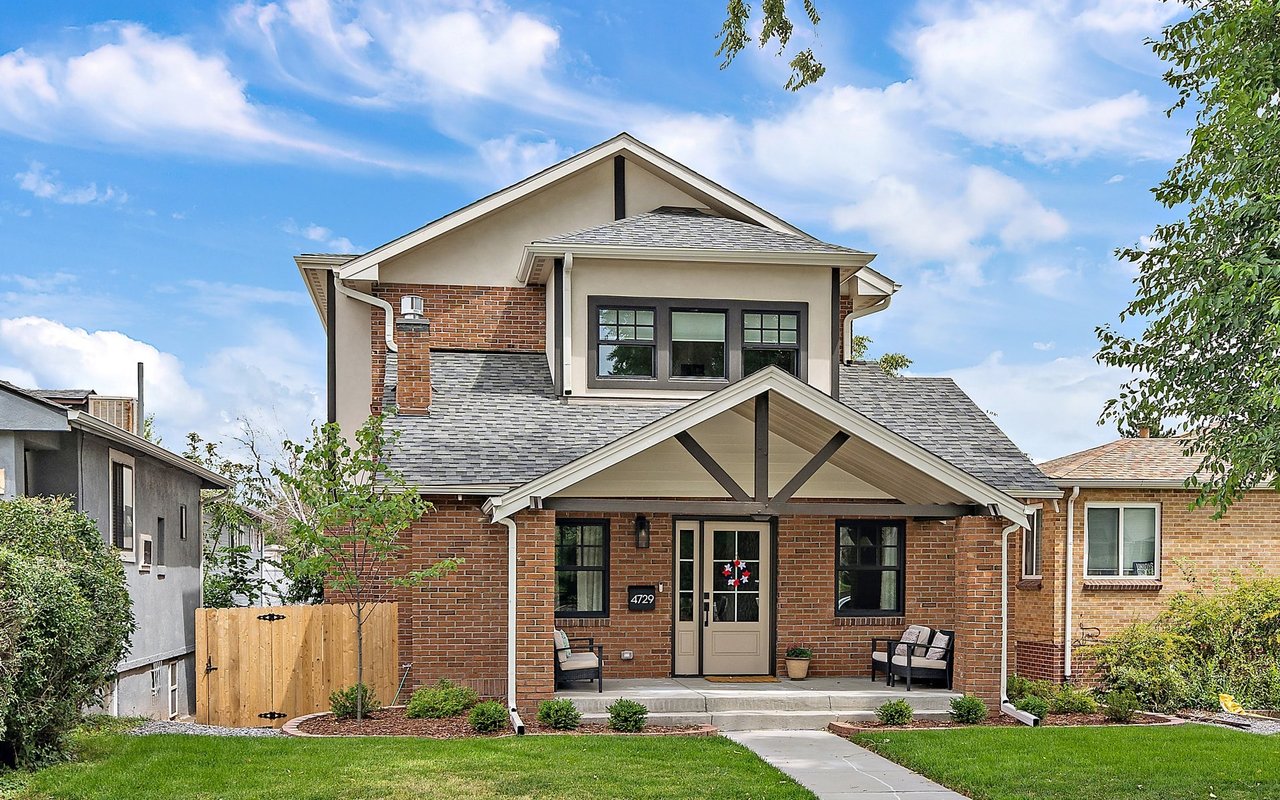
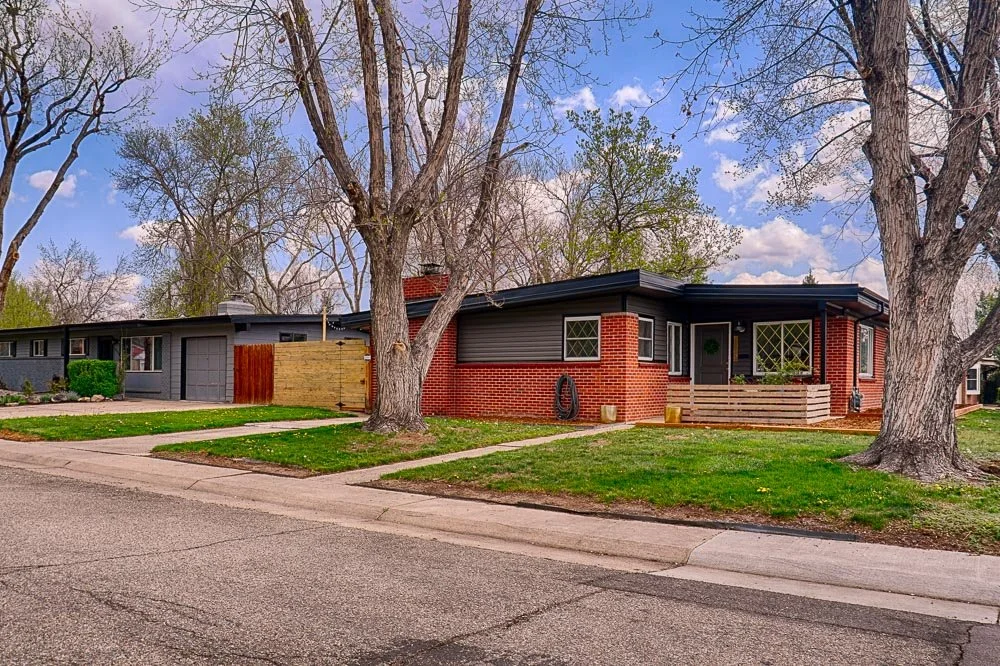
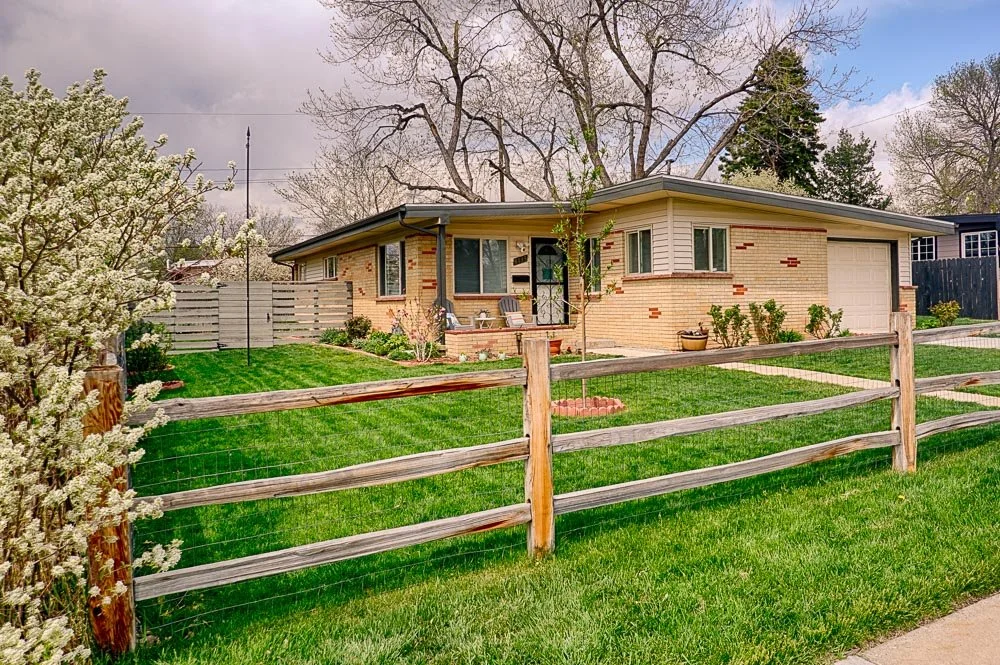
Drive the neighborhood.
Are older ranch homes getting updated?
Are you seeing pop-tops? New landscaping? Modernized exteriors?
When homeowners start reinvesting in their properties, that tells you something important:
People believe in the long-term value of the area.
Arvada has a large inventory of mid-century homes — solid bones, good lot sizes, established trees. That’s the perfect formula for reinvestment. Buyers can modernize without overpaying for brand-new construction.
In my experience, once renovation momentum builds, appreciation tends to follow.
3. Pay Attention to Infrastructure and Zoning

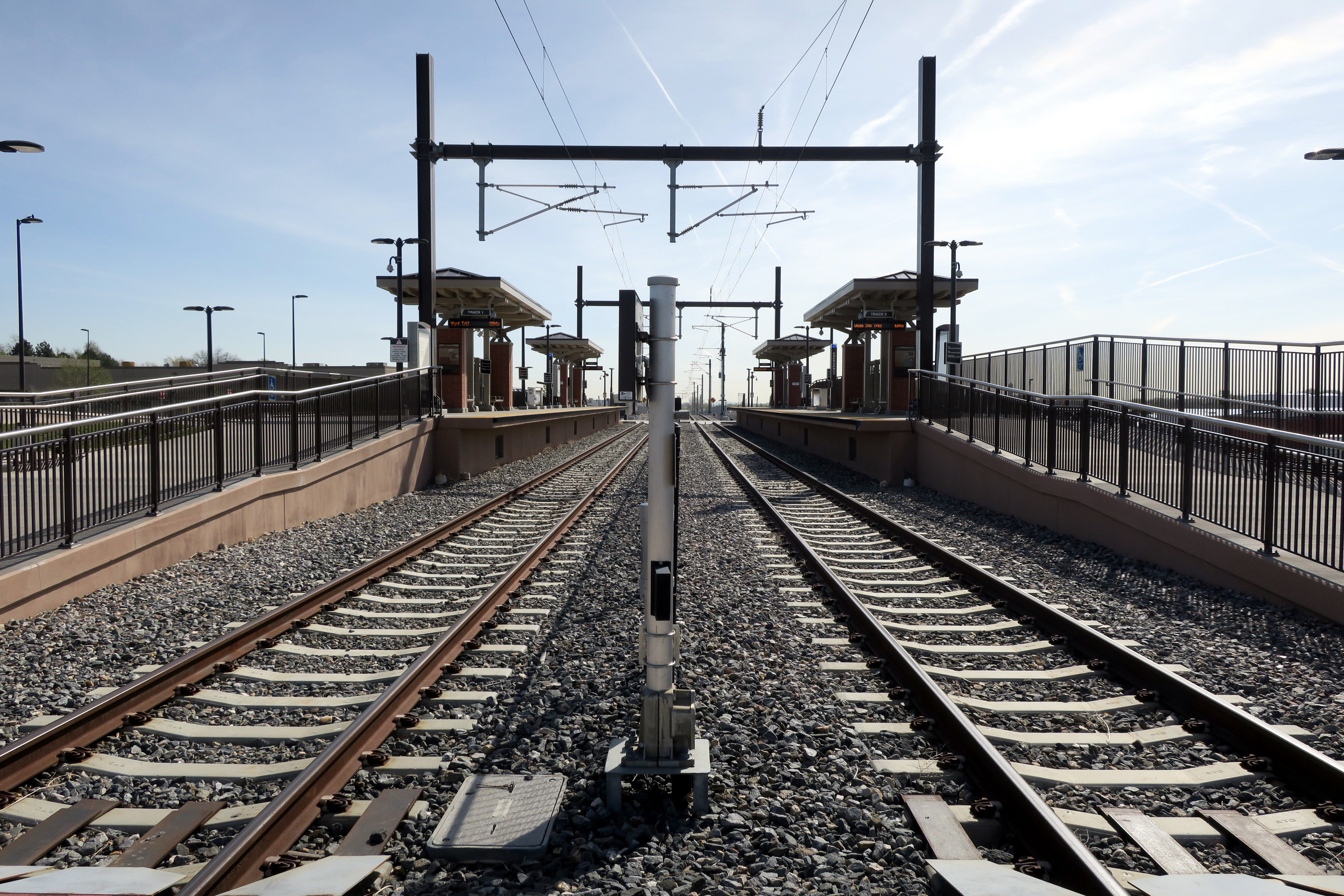
This is where many buyers miss the boat.
Growth often follows infrastructure.
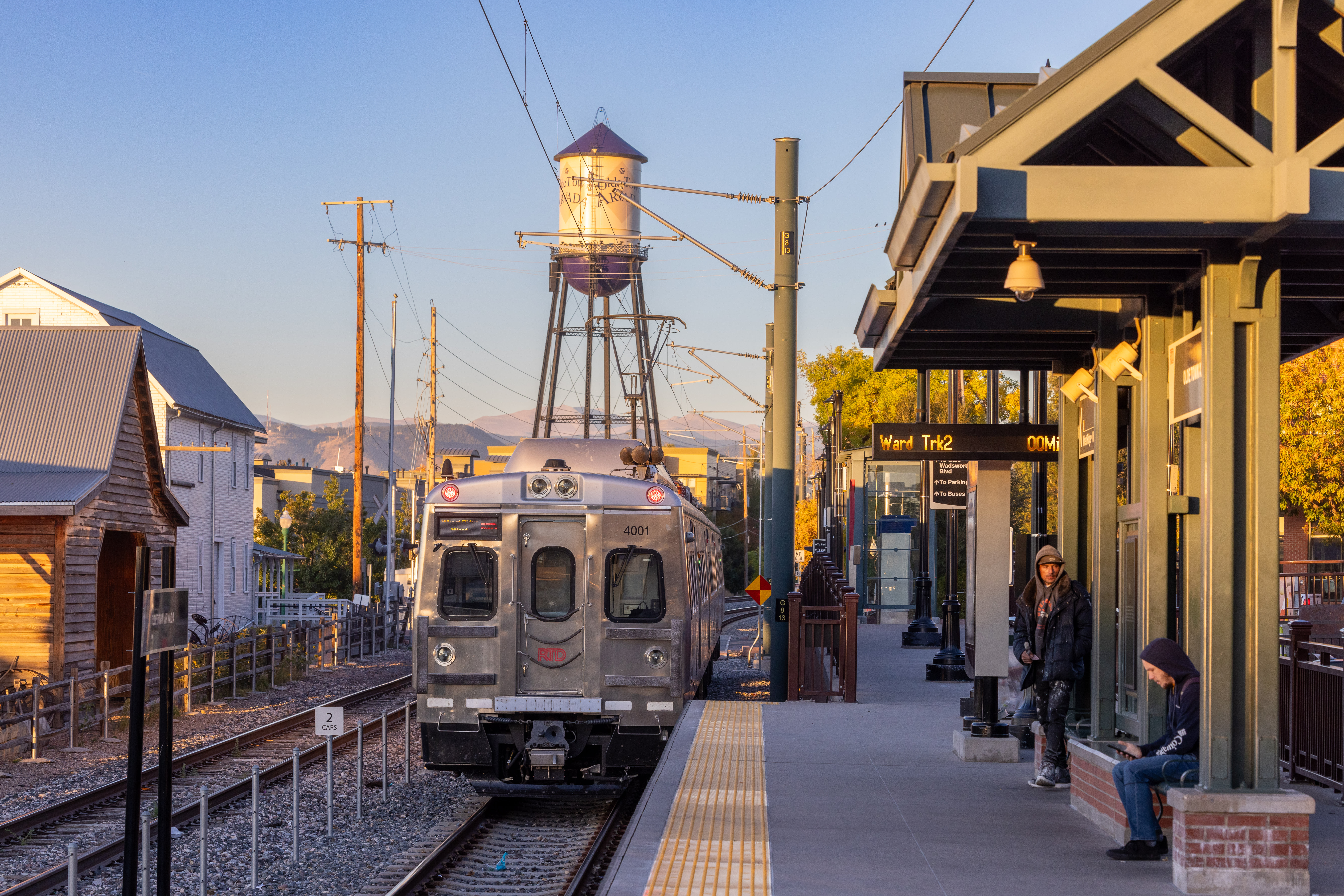
Arvada benefits from the G Line commuter rail connecting directly to Union Station in Denver. That access matters — especially for buyers who want proximity without downtown pricing.
Beyond transit, it’s worth keeping an eye on:
Transit-oriented development plans
City council agendas
Zoning adjustments
Mixed-use projects near corridors
Municipal plans often telegraph what’s coming years before the market fully reacts.
If you’re serious about spotting growth early, start reading local planning updates — not just listing descriptions.
What I’ve Seen Before — And What to Watch Next
I’ve seen similar patterns play out across the Denver metro.
The early signs are almost always the same:
Lifestyle businesses arrive
Homes get renovated
Infrastructure improves
Demand accelerates
Arvada is already showing those signals.
What I’d watch next:
Continued density around transit corridors
Increased renovation activity in established neighborhoods
Additional commercial investment in Olde Town and surrounding pockets
Inventory tightening while buyer demand remains steady
When those elements line up, prices typically follow.
Should Buyers Act Now?
No hype here — just practical strategy.
If you’re waiting for certainty, you’ll likely pay for it.
If you’re looking for opportunity with visible momentum, Arvada still offers that window — especially compared to areas that have already fully matured.
If you want to explore what’s currently available, check out our Arvada Area Guide:
👉 https://jonesteamcolorado.com/area-guides/arvada/
Take a look. Study the neighborhoods. Drive them. Notice the signs.
And if something catches your eye, let’s have a conversation before everyone else catches on.
Check out this article next